
Industry Insights
Kiosks and Tablets: Bringing Digital Commerce Inside the Store
Floor space decides what a store can hold. It should not decide what a store can sell. That gap is the practical case for in-store kiosks and tablets, and it is the limitation Ogloba's ROPO solution was built to overcome.
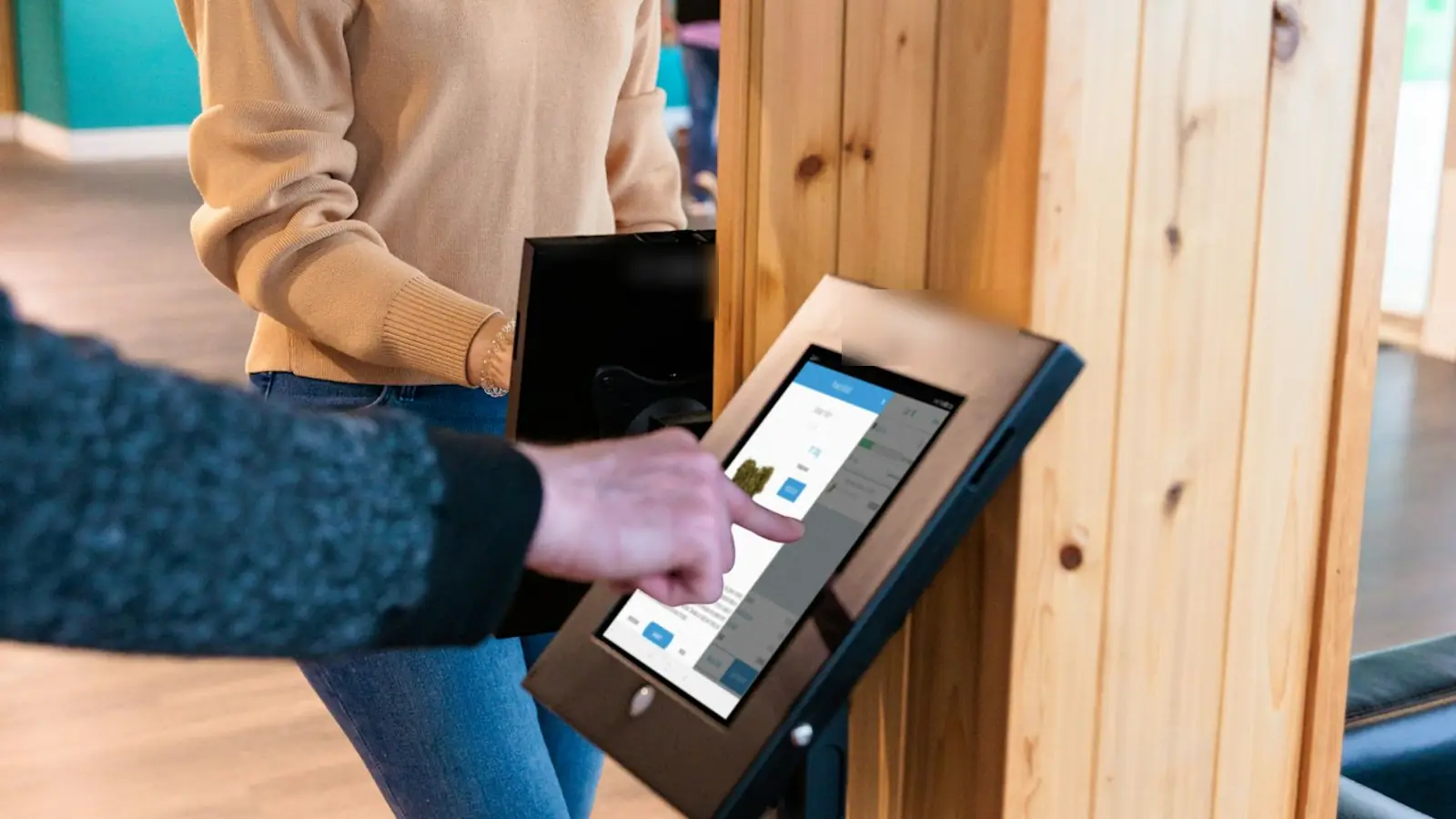
An Unattended eCommerce Counter Inside the Store
The touchscreen kiosk operates as an unattended eCommerce platform on the shop floor. Shoppers browse the retailer's full product range, read detailed specifications, check stock availability, see promotions, special offers and warranty options, then place an order and arrange delivery or pick-up. None of that requires the item to be physically present on the shelf — which is what makes appliance sales digitisation viable.
Two Shopper Types, One Platform
Customers who prefer to shop in-store keep the ability to see and touch the product. Customers who value the choice and ease of online research get catalogue depth without leaving the building. That combination supports ROPO behaviour, counters showrooming, and encourages shoppers to stay in store longer — which raises the likelihood they buy.
The same platform runs on portable tablets, either alongside kiosks or instead of them, putting current product information directly in the hands of sales representatives so self-service and human guidance work together.
The solution integrates with existing IT and scales to the organisation. The gain is not the hardware; it is a store that no longer runs out of catalogue.
FAQ
Shoppers browse the retailer's full product range, read detailed specifications, check stock availability, and see promotions, special offers and warranty options. From the same screen they place the order and arrange delivery or pick-up, without the item ever needing to be present on the shelf.
Customers who value the choice and ease of online research get catalogue depth without leaving the building, while those who prefer physical retail can still see and touch the product. That combination supports ROPO behaviour and keeps shoppers in store longer, which raises the likelihood they buy.
The same platform runs on portable tablets, either alongside kiosks or instead of them. Tablets put current product information directly in the hands of sales representatives, so unattended self-service and human guidance work together rather than competing for the same shopper.
No. The solution integrates with existing IT and scales to the organisation, so the catalogue can be extended without standing up a parallel technology stack. The gain is not the hardware itself; it is a store whose sellable range is no longer limited by its shelves.
Watch the reel
Part of Intelligent Store
Explore the business lineFurther reading
Industry Insights
Why UI/UX Design Decides Whether In-Store Digital Works
Unattended shoppers get no training, so a three-step flow of catalog, ordering and delivery decides whether the in-store screens convert.
Industry Insights
One CMS for Every Retail Channel: Content Management That Scales
It centralises product data, campaigns, merchandising and advertising, then pushes approved content out to every in-store kiosk and tablet, store by store.
Industry Insights
Winning the War Against Showrooming: Turning Browsers into Buyers
In-store terminals give staff live pricing, stock and offers, so the salesperson advises side by side and closes the deal before shoppers leave.