
Industry Insights
Winning the War Against Showrooming: Turning Browsers into Buyers
Showrooming is not really a pricing problem. It is an information problem. Shoppers view or test a product in-store, price-check it on a phone, and buy online for less. Mobile technology made that comparison instant. What a retailer can still change is what happens in the seconds before the phone comes out.
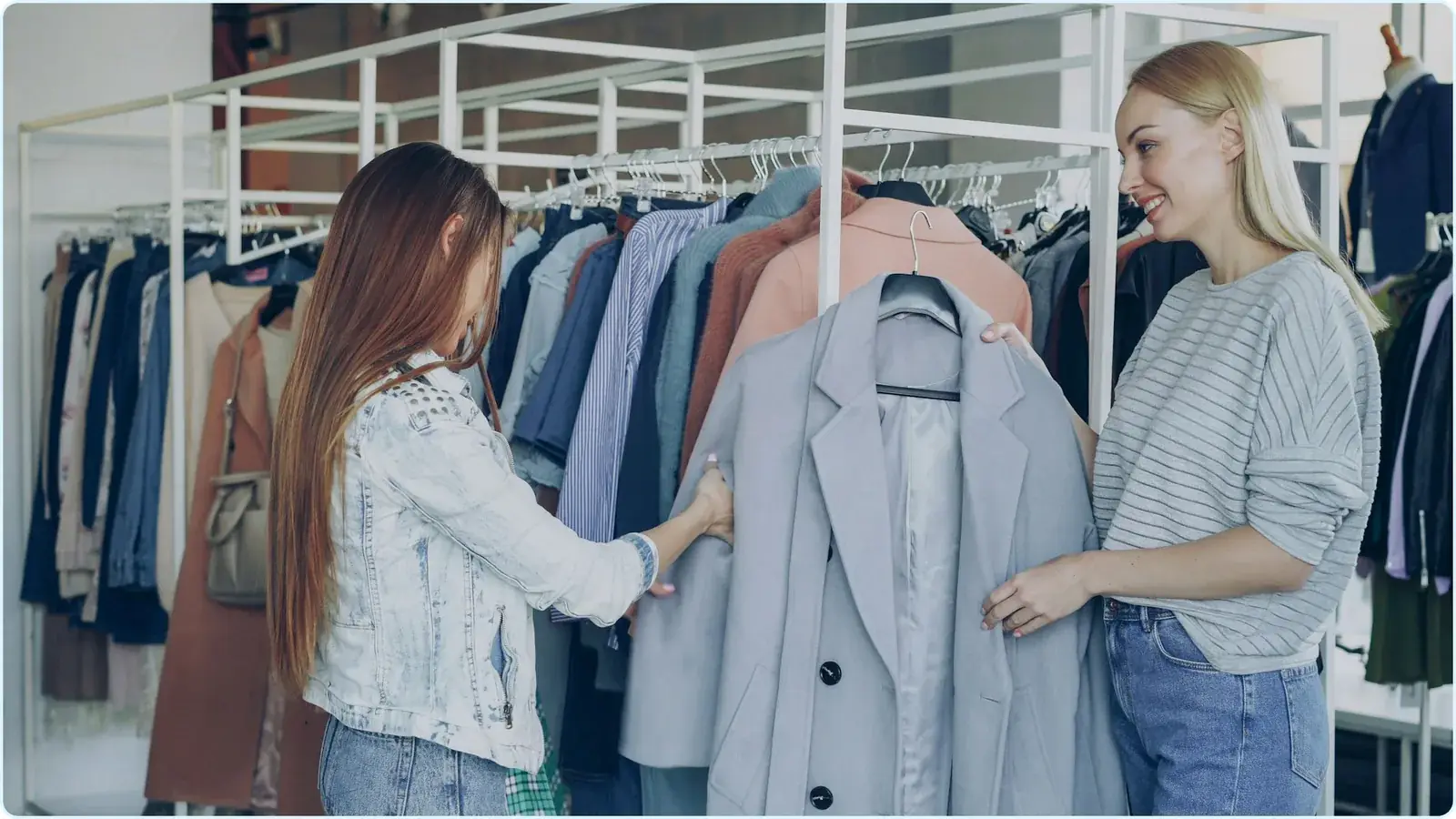
Close the Information Gap on the Shop Floor
Ogloba's ROPO system places in-store terminals holding a detailed, searchable digital version of the retailer's inventory of electronic and household appliances. Customers can browse it alone if they prefer. But the more valuable shift is what it does to the conversation, by bridging the physical environment of the store and the digital universe of the catalogue at the exact point of decision.
From Order-Taker to Advisor
The system moves the sales representative from face-to-face to side-by-side — a guide working through the same screen as the customer rather than standing across from them. With up-to-date, detailed product information available quickly, staff can answer the comparison question in the aisle, present the latest deals and offers, and negotiate terms that commit the customer in-store.
The physical store already holds real advantages: touch, human guidance, immediate possession. What it historically lacked was catalogue depth. Supplying that on the shop floor does not outlaw showrooming — it removes the reason to leave.
FAQ
Shoppers view or test a product in-store, price-check it on a phone, and buy online for less. Mobile technology made that comparison instant, so the price gap itself is hard for a retailer to control. What can still be changed is the information reaching the customer in the seconds before the phone comes out.
Yes. Ogloba's ROPO terminals hold a detailed, searchable digital version of the retailer's inventory of electronic and household appliances, and customers can browse it alone if they prefer. The more valuable shift, though, is what the terminal does to the conversation between shopper and staff at the point of decision.
The sales representative moves from face-to-face to side-by-side — a guide working through the same screen as the customer rather than standing across from them. With up-to-date, detailed product information available quickly, staff can answer the comparison question in the aisle and present the latest deals and offers.
Catalogue depth. The physical store already holds real advantages — touch, human guidance, immediate possession — but that depth is what it historically lacked. Supplying it on the shop floor does not outlaw showrooming; it removes the reason to leave.
Watch the reel
Part of Intelligent Store
Explore the business lineFurther reading
Industry Insights
Tap & Go Ticketing: The Middleware Behind Contactless Public Transport
Middleware that issues cards, applies fare rules, infers journeys from taps, and clears daily settlement across both closed-loop and open-loop transit networks.
Industry Insights
How Dubai Metro Runs Smart Cards and NFC ePurse Payments at Scale
Nol NFC ePurse cards run metro, buses, water buses and parking on one Ogloba-interfaced RTA platform supporting offline micro-payments and multi-zone passes.
Industry Insights
Money Transfer Made Easy: Secure Compliance Without the Friction
Web-based platforms integrate once with the transfer company, handling KYC capture, multi-layer fraud checks and reporting centrally, not in-store.