
Industry Insights
Why Paper Vouchers Are Becoming Obsolete — and Gift Cards Are Taking Over
Paper vouchers are becoming obsolete because they cannot meet modern retail, security, and customer engagement requirements. Gift cards are replacing them as a more secure, flexible, and scalable retail infrastructure.
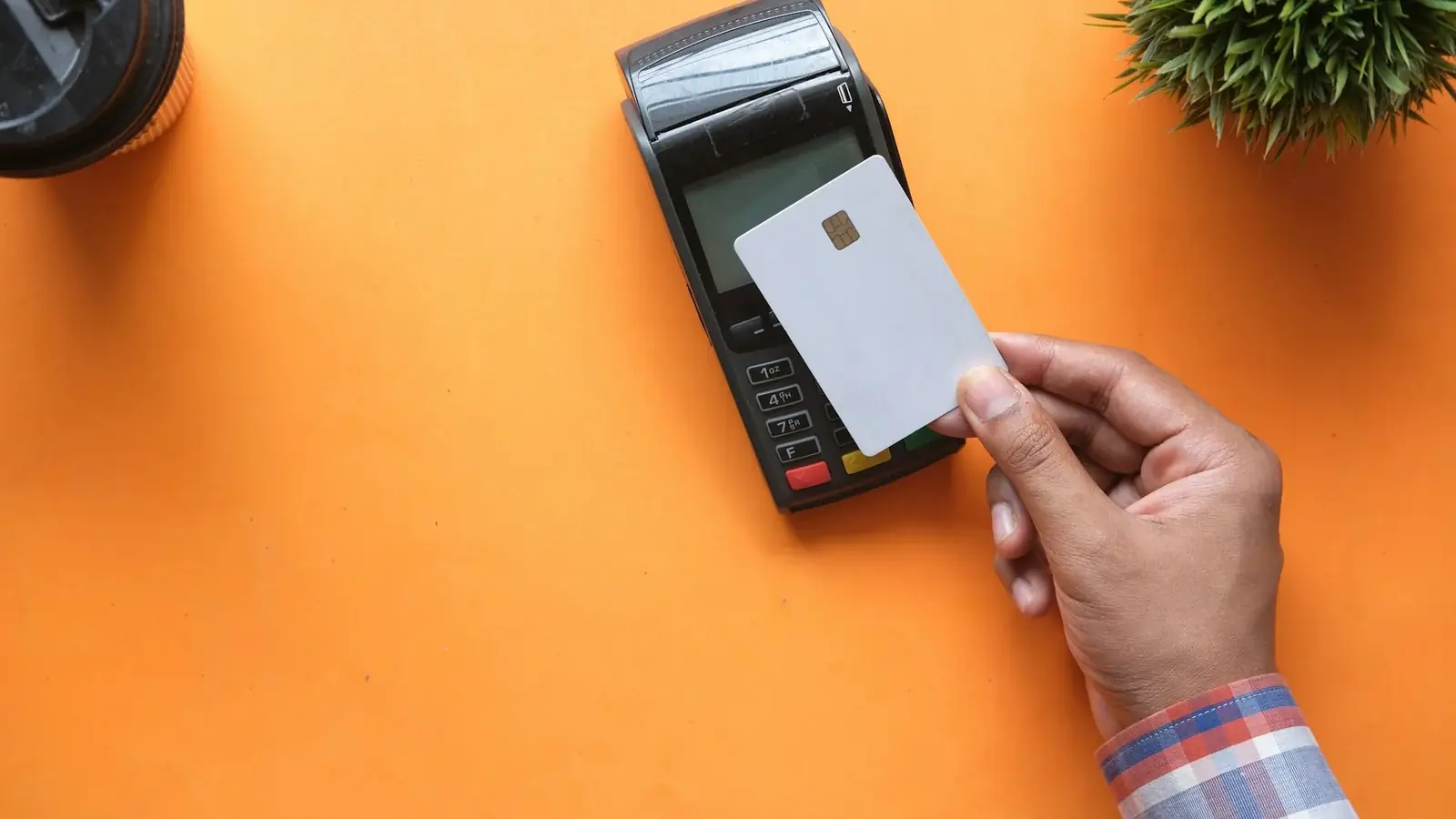
Why Paper Vouchers No Longer Fit Modern Retail?
Paper vouchers still function, but they create structural limitations. They carry cash value, which creates security and fraud risks. They require controlled transport, secure storage, and restricted visibility at the point of sale.
They also limit customer engagement. Paper vouchers are fixed-value and must be used in a single transaction. They are non-reusable and discarded after use, reducing long-term interaction with the brand.
Brand perception is also impacted. Paper vouchers are seen as outdated. They deteriorate quickly, creating a poor customer experience and weakening brand image.
How Gift Cards Solve These Limitations?
Gift cards eliminate these constraints by design. They have no value until activation, removing the need for secure logistics. They can be displayed openly in-store, supporting impulse purchases.
Gift cards enable flexible payments. They can be loaded with any amount, used across multiple transactions, and reloaded. This directly supports repeat visits and ongoing customer engagement.
They also improve brand perception. Durable, reusable cards create a higher perceived value and a more modern retail experience.
Platforms like Ogloba provide secure card management services that connect issuance, activation, and payment into a unified infrastructure.
Conclusion
Gift cards are becoming infrastructure. They replace paper vouchers by improving security, flexibility, and customer engagement. Retail is being redefined by digital commerce, and gift cards are a key component of this transformation.
FAQ
Paper vouchers carry cash value, so they behave like money before they are ever used. This forces retailers to rely on controlled transport, secure storage, and restricted visibility at the point of sale, and it exposes the vouchers to fraud.
Gift cards have no value until activation, so they are not a fraud target while in transit or on the shelf. That lets retailers skip the controlled transport and secure storage paper vouchers require, and instead display cards openly in-store to encourage impulse purchases.
Gift cards can be loaded with any amount, used across multiple transactions, and reloaded. Because they are durable and reusable rather than single-use, customers keep coming back and interacting with the brand over time.
Platforms like Ogloba provide secure card management services that connect issuance, activation, and payment into a single, unified infrastructure. This is what allows gift cards to operate as reliable, scalable retail infrastructure.
Watch the reel
Part of Gift Card Programs
Explore the business lineFurther reading
Industry Insights
Dummy Cards: Giving Mobile Gift Cards a Physical Presence In-Store
What are dummy cards? Barcoded display-only cards that let shoppers buy mobile gift cards in-store; scanning generates the digital card instantly, then the dummy returns to the shelf.
Industry Insights
B2C Gift Card Schemes: Open-Value, Reloadable and Built to Fit
What B2C gift card schemes exist? Open-value, reloadable, single-use, gift-with-purchase, promotional, mall, merchandise-credit, cashback, loyalty, bonus-value and cross-border cards, all running on one closed-loop real-time transaction processing platform.
Industry Insights
Mobile Gifting for B2B and B2C: One Platform, Two Audiences
Why does mobile gifting start with B2B? B2B offers volume, existing digital platforms and instant delivery, so corporate programs migrate first; personalised B2C mobile gifting follows seasonal occasions.