
Industry Insights
Gift Card Reporting Is Becoming Retail Infrastructure
Gift card reporting is essential because retailers need clear visibility into the operational and financial data created by gift card programs. Sales, accounting, card redemption, inventory, customer activity, and program performance all depend on accurate reporting.
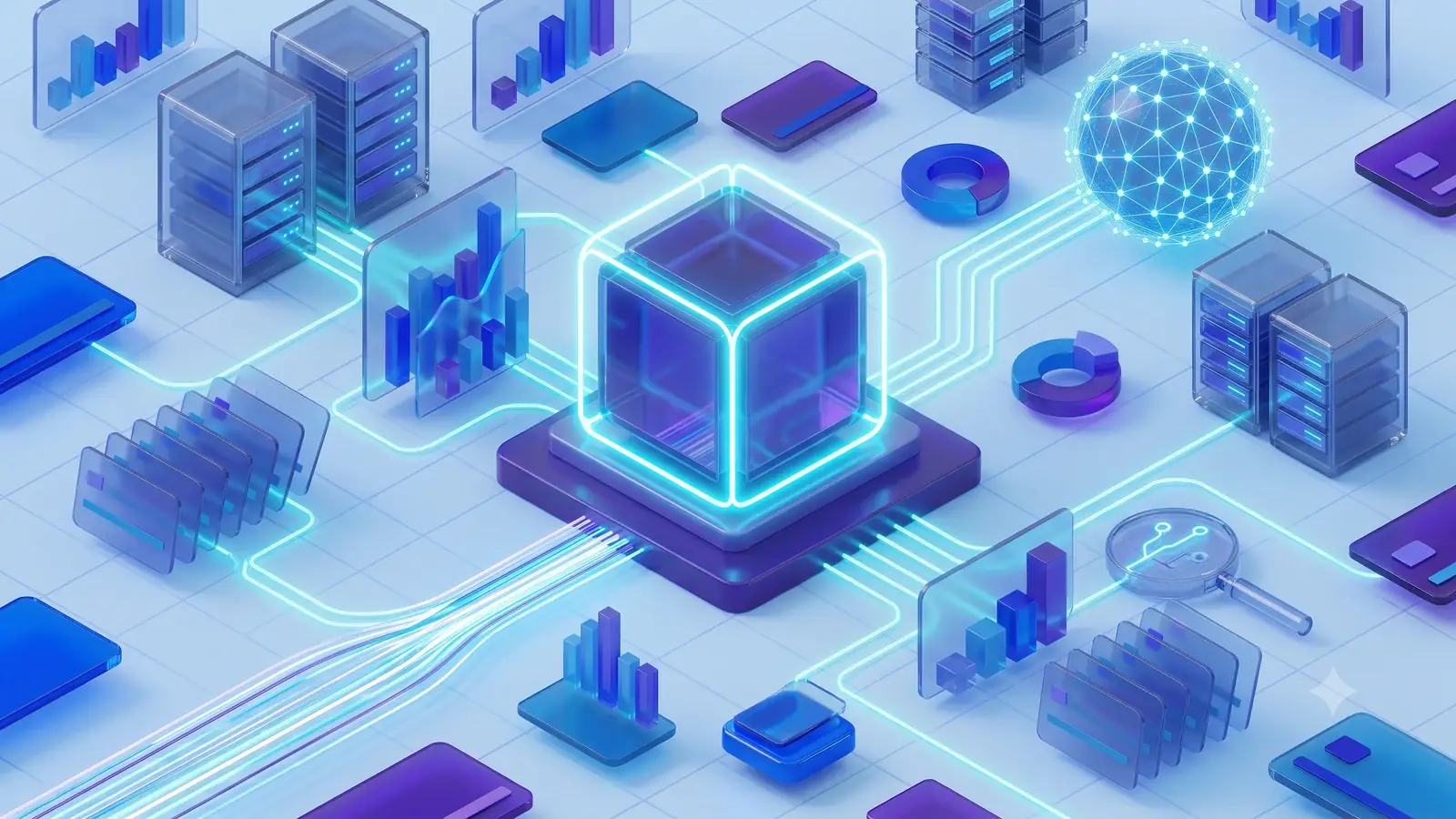
Gift Card Programs Create Operational Data
Every gift card transaction creates business information. Retailers use this data to understand sales activity, monitor redemption behavior, support accounting review, and evaluate program performance. Without structured reporting, gift card data remains difficult to use across retail teams.
Reporting Supports Better Retail Control
Ogloba’s Back Office reporting environment helps retailers access reports when they need them. These reports can support online queries, operational monitoring, financial review, and business analysis. Reporting gives merchants a clearer view of what is happening across their gift card program.
Transaction Data Becomes Business Visibility
With Transaction Data Warehouse reporting, retailers can use predefined reports, management reports, financial reports, and ad hoc analysis. This helps teams move from raw transaction data to practical business insight.
Gift card reporting is no longer only a back-office process. It is part of the infrastructure retailers need to manage operations, improve visibility, and make better decisions.
FAQ
Ogloba's Back Office and Transaction Data Warehouse support predefined, management, financial, and ad hoc reports, alongside online queries for day-to-day monitoring. Together they cover the sales activity, redemption behavior, accounting review, and program performance data that gift card transactions generate, supporting operational monitoring, financial review, and business analysis.
Structured reporting turns raw transaction records into visibility over sales, redemption behavior, inventory, and program performance. That elevates reporting from an accounting task into operating infrastructure that leadership uses to steer the program.
Finance teams use it for accounting review, operations teams for monitoring activity and inventory, and management for evaluating program performance. Without a shared reporting layer, the same transaction data stays fragmented and hard to act on across those teams.
The TDW consolidates transaction data so teams can run predefined, management, and financial reports as well as ad hoc analysis. It shortens the path from raw transaction records to practical business insight that supports faster, better-grounded decisions.
Watch the reel
Part of Gift Card Programs
Explore the business lineFurther reading
Industry Insights
Gift Card Platform Migration Without Disruption: Balances, Data and Continuity
Can gift card platforms migrate without disruption? Yes — mapped data extraction and loading moves balances and inventory intact, while API interfaces preserve checkout continuity when conversion isn't required.
Industry Insights
Merchant Mobile Apps That Do More Than Mirror Your Website
What makes a merchant mobile app worthwhile? Features the website cannot offer — app-only deals, social sharing, device-specific interfaces — turn it from marketing gadget into an everyday commerce utility.
Industry Insights
Gift Card Printing and Logistics: From Design to Store Shelf
What does gift card printing involve? Card design, supplier procurement, secure packaging, warehouse distribution, and automated replenishment, all tracked by Ogloba from factory production line to retail shelf.